Color vision deficiencies
People see the world in different ways. Approximately 300 million people worldwide have some form of color vision deficiency (otherwise known as CVD), which affects 8 percent of men and 0.5 percent of women.
Color vision is the result of three types of cone cells, each handling a specific range of light wavelengths. Deficiencies are caused by faulty genes that alter or remove these cones, which then impacts an individual’s ability to distinguish between certain colors.
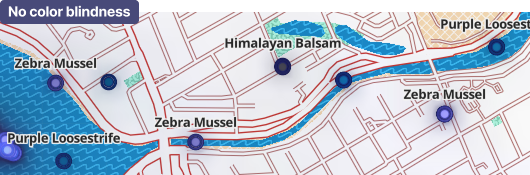
Red-green color blindness
Red-green is the most common set of color vision deficiencies, accounting for 90 percent of cases.
Protanopia—Reds look more like greens.
Deuteranopia—Greens look more like reds.
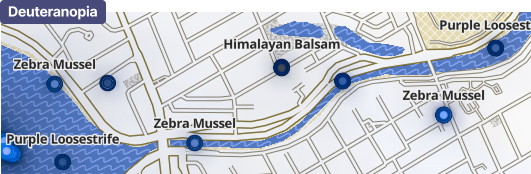
Blue-yellow color blindness
Blue-yellow color vision deficiencies are much less common than red-green.
Tritanomaly—It is difficult to distinguish yellow and red or blue and green.
Tritanopia—Colors look muted and it is difficult to distinguish between blue and green, purple and red, or yellow and pink.
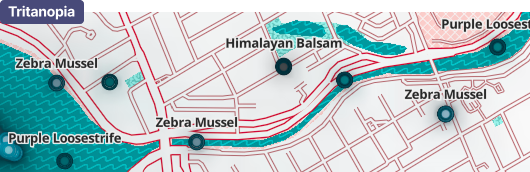
Monochromacy
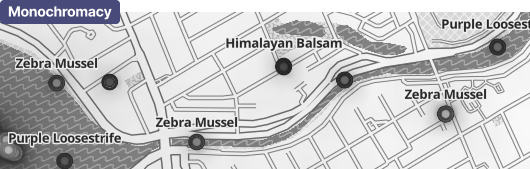
Monochromacy is complete color blindness wherein only black, white, and shades of gray can be seen. This is the rarest type of color blindness and the most likely to impair an individual’s overall vision.
Related criteria
The Web Content Accessibility Guidelines tied to this topic are as follows: