Point
汇总
x,y 对的制图表达,可以选择带有测量值、高度和 ID 属性。
讨论
Point 对象不包括空间参考信息,并且经常用于构造其他几何对象,包括 PointGeometry 、 Polyline 、 Polygon 和 Multipoint 对象。 在下列示例中, Point 对象用于创建 PointGeometry 对象。
pt = arcpy.Point(-12683890.6, 5811151.5)
pt_geometry = arcpy.PointGeometry(pt, spatial_reference=arcpy.SpatialReference(3857))
语法
Point({X}, {Y}, {Z}, {M}, {ID})
| 名称 | 说明 | 数据类型 |
|---|---|---|
|
X (可选) |
The x-coordinate of the point. (默认值为 0.0) |
Double |
|
Y (可选) |
The y-coordinate of the point. (默认值为 0.0) |
Double |
|
Z (可选) |
The z-coordinate of the point. (默认值为 None) |
Double |
|
M (可选) |
The m-value of the point. (默认值为 None) |
Double |
|
ID (可选) |
The shape ID of the point. (默认值为 0) |
Integer |
属性
| 名称 | 说明 | 数据类型 |
|---|---|---|
|
ID (读取和写入) |
用于唯一标识点的整数。 |
Integer |
|
M (读取和写入) |
点的测量值。 |
Double |
|
X (读取和写入) |
点的水平坐标。 |
Double |
|
Y (读取和写入) |
点的垂直坐标。 |
Double |
|
Z (读取和写入) |
点的高程值。 |
Double |
方法
clone(point_object)
克隆 Point 对象。
| 名称 | 说明 | 数据类型 |
|---|---|---|
|
point_object |
A |
Point |
contains(second_geometry, {relation})
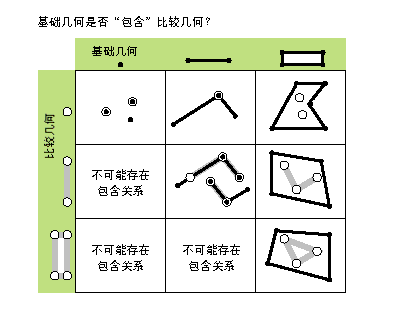
指定基础几何是否包含比较几何。
contains 方法与 within 方法相反。
本图仅显示 True 关系。
| 名称 | 说明 | 数据类型 |
|---|---|---|
|
second_geometry |
A second geometry. |
Object |
|
relation (可选) |
Specifies the spatial relationship type that will be used.
(默认值为 None) |
String |
返回值
| 数据类型 | 说明 |
|---|---|
|
Boolean |
返回此几何是否包含第二个几何。 |
crosses(second_geometry)
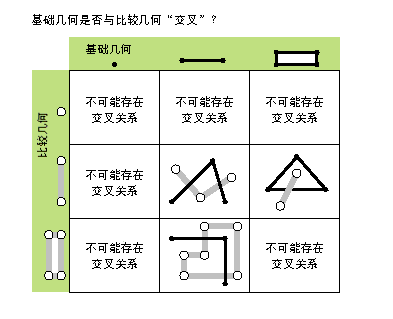
指定两个几何是否相交于较小形状类型的几何。
如果两条折线仅共用公共点(至少有一个点不是端点),则这两条折线交叉。 如果折线和面在面的内部共享一条折线(不等于整条折线)或一个公共点(对于垂直线),那么该折线与面交叉。
本图仅显示 True 关系。
| 名称 | 说明 | 数据类型 |
|---|---|---|
|
second_geometry |
A second geometry. |
Object |
返回值
| 数据类型 | 说明 |
|---|---|
|
Boolean |
返回两个几何是否相交于较小形状类型的几何。 |
disjoint(second_geometry)
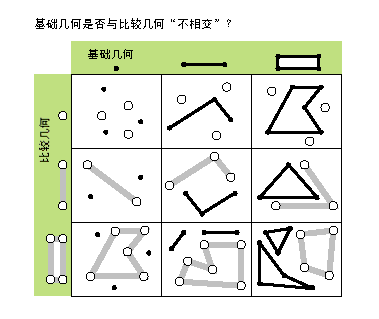
指定基础几何和比较几何是否具有公共点。
此方法返回 False 时,两个几何相交。
本图仅显示 True 关系。
| 名称 | 说明 | 数据类型 |
|---|---|---|
|
second_geometry |
A second geometry. |
Object |
返回值
| 数据类型 | 说明 |
|---|---|
|
Boolean |
返回两个几何是否具有公共点。 |
equals(second_geometry)
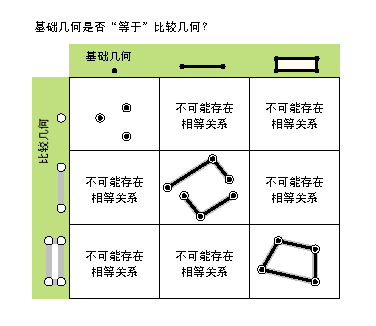
指定基础几何和比较几何是否具有相同的形状类型,并在平面中定义相同的点集。 这仅是 2D 的比较;已忽略 m 值和 z 值。
本图仅显示 True 关系。
| 名称 | 说明 | 数据类型 |
|---|---|---|
|
second_geometry |
A second geometry. |
Object |
返回值
| 数据类型 | 说明 |
|---|---|
|
Boolean |
返回两种几何是否具有相同的形状类型,并在平面中定义相同的点集。 |
overlaps(second_geometry)
指定两个几何的交集是否具有与其中一个输入几何相同的形状类型,并且不等于任一输入几何。
本图仅显示 True 关系。
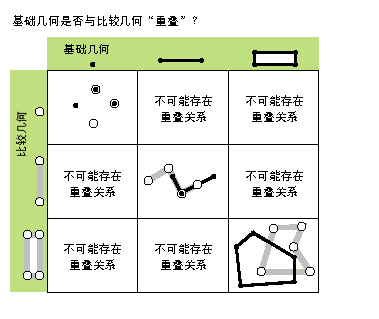
| 名称 | 说明 | 数据类型 |
|---|---|---|
|
second_geometry |
A second geometry. |
Object |
返回值
| 数据类型 | 说明 |
|---|---|
|
Boolean |
返回两个几何的交集是否具有与其中一个输入几何相同的尺寸。 |
touches(second_geometry)
指定几何的边界是否相交。
当两个几何的交集不为空,但它们内部的交集为空时,说明两个几何接触。 例如,仅当点与折线的一个终点重合时,才表示点与折线接触。
本图仅显示 True 关系。
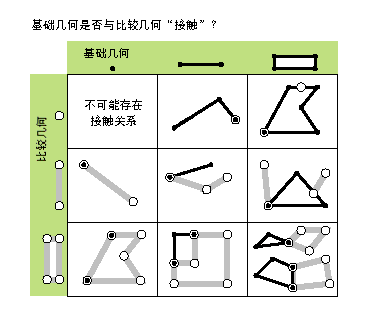
| 名称 | 说明 | 数据类型 |
|---|---|---|
|
second_geometry |
A second geometry. |
Object |
返回值
| 数据类型 | 说明 |
|---|---|
|
Boolean |
返回几何的边界是否相交。 |
within(second_geometry, {relation})
指定基础几何是否位于比较几何之内。
within 方法是与 contains 方法相反的运算符。
本图仅显示 True 关系。
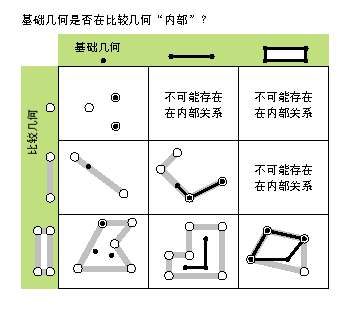
如果基础几何是这些几何的交集且其内部交集不为空,则基础几何位于比较几何之内。 within 方法是 Clementini 运算符,在空的基础几何中除外。
| 名称 | 说明 | 数据类型 |
|---|---|---|
|
second_geometry |
A second geometry. |
Object |
|
relation (可选) |
Specifies the spatial relationship type that will be used.
(默认值为 None) |
String |
返回值
| 数据类型 | 说明 |
|---|---|
|
Boolean |
返回基础几何是否位于比较几何之内。 |
代码示例
创建 Point 对象并打印一些属性。
import arcpy

# Create point object
point = arcpy.Point(2000, 2500)

# Print point properties
print("Point properties:")
print(" X:  {0}".format(point.X))
print(" Y:  {0}".format(point.Y))
检查从 Polygon 对象返回的 Point 对象。
import arcpy

# Create cursor to retrieve Hawaii shape
feature_class = "c:/data/Hawaii.shp"
cursor = arcpy.da.SearchCursor(feature_class, ["SHAPE@"])

for row in cursor:
    # Get the geometry object from the shape field
    print("Number of Hawaiian islands: {0}".format(row[0].partCount))

    # GetPart returns an array of point objects for each part.
    for island in row[0].getPart():
        print("Vertices in island: {0}".format(island.count))
        for point in island:
            print("X: {0}, Y: {1})".format(point.X, point.Y))